
Bronx Blotter Has Separate Lanes
No complete Bronx County booking blotter exists online. Four official lanes answer different questions. The NYPD Newsroom and its press-release index cover selected incidents the department chooses to announce. Borough and precinct files sit in another lane, showing counts but no names. The Bronx DA dashboard aggregates arrest paperwork for case processing. Courts show public case activity only after entry. A press release may name a person, but publication stays editorial and event-driven. Weekly files track volume. The dashboard applies its own arrest definitions. Blending them into a fake recent-bookings feed would erase the limits. Those limits keep each source readable.
Read Bronx Arrest Sources
Start with your question, not one Bronx blotter.
- For a reported event, open the dated NYPD release and note whether it is Bronx-specific or citywide.
- For scale, use the NYPD borough and precinct statistics. Keep the file’s own week, borough, precinct, offense, and category labels.
- For prosecution-stage aggregate data, read the Bronx DA arrests dashboard definitions and update note.
- For a named court matter, check eCourts or WebCriminal where the case is publicly displayed. Use a certificate of disposition for the final certified result.
- For custody now, use NYC DOC only after transfer. It is not an archive of all Bronx arrests.
Someone may still be in NYPD custody. The Arrests Last 24 Hours page lays out the phone workflow for that situation in the Bronx.
Bronx Blotter Field Crosswalk
Each channel publishes a different record type. So no single entry schema covers every Bronx source, and the crosswalk below shows what to expect.
| Source | What it can show | What it cannot prove |
|---|---|---|
| NYPD newsroom | Dated agency statement, selected event details, attribution, sometimes a name or image | Complete Bronx arrests or final guilt |
| Weekly borough files | Bronx North, Bronx South, precinct, period, category, and counts | Identity, custody, or booking photo |
| Bronx DA dashboard | Aggregate arrest activity based on NYPD documents submitted to the DA | A live booking ledger or unchanged final charge |
| Local news | Selected incident narrative, publication date, reporting attribution | Complete coverage or official disposition |
| NYC DOC lookup | Current city-jail fields after transfer and data entry | Every arrest or a mugshot gallery |
Label any photo with its source. A release or article image may be an agency photo, a surveillance frame, a wanted image, or a file photo rather than a booking photograph.
Bronx Arrest Statistics Need Definitions
Numbers about Bronx arrests only make sense once you know what they count. The Bronx DA dashboard posts its figures with weekly refreshes each Tuesday. Behind those aggregates sit different measurements. The DA's 2023 materials cite 42,668 NYPD arrests, while a 2022 report counted 27,905 individual arrestees, and those two units simply do not line up. An arrest event is not the same thing as a person. For anyone tracking recent arrests in the borough, the dashboard page from the District Attorney remains the official aggregate source.
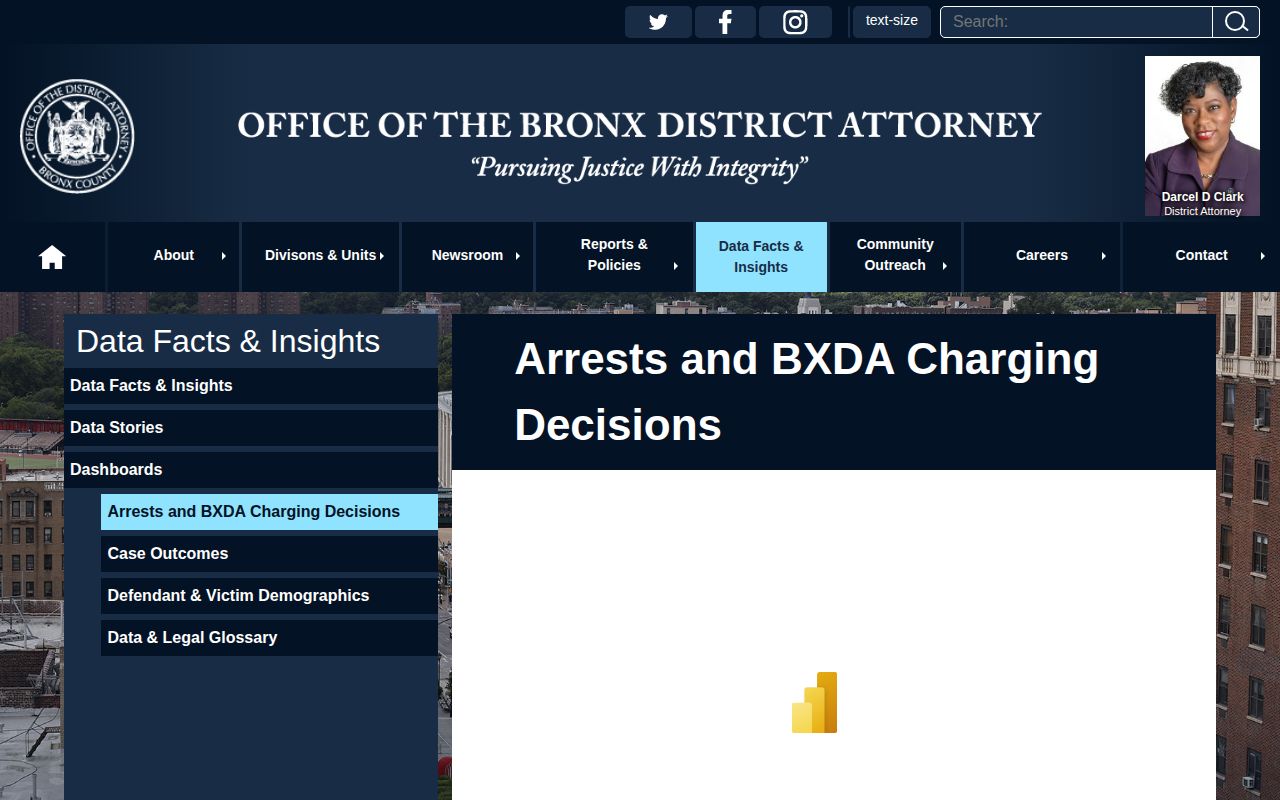
It measures scale, not names. The 2024 annual report credits the 40th, 44th, and 46th Precincts with the leading shares. That describes the report's distribution. It says nothing about any person. Weekly NYPD files can add fresher context for Bronx North, Bronx South, and precinct patterns while leaving identity out.
Weekend Bronx Blotter Timing
No Bronx source promises a weekend booking log. Nor does one offer a holdover schedule or a guaranteed catch-up time. Newsroom posts follow public events. Weekly files follow the dates printed on them. The DA dashboard keeps its Tuesday rhythm. Court entries depend on court processing. So cadence varies by source, and no holiday or weekend arrest archive exists. A quiet page does not prove a quiet weekend. A Tuesday refresh does not mean every Monday event appears. Note each source's publication date, reporting period, and update date, and remember that Eastern Time timestamps can differ from the arrest, booking, or court-entry times.
Bronx News Is Secondary
The Bronx Times breaking-news section and its courts coverage can surface selected incidents, indictments, prosecutions, and outcomes. Its older police-blotter material illustrates a reporting format, not a current government feed. News 12 Bronx crime reporting is another rolling layer. Neither outlet is the custodian of police, jail, or court records.
The captured News 12 Bronx crime section illustrates that selective reporting layer.
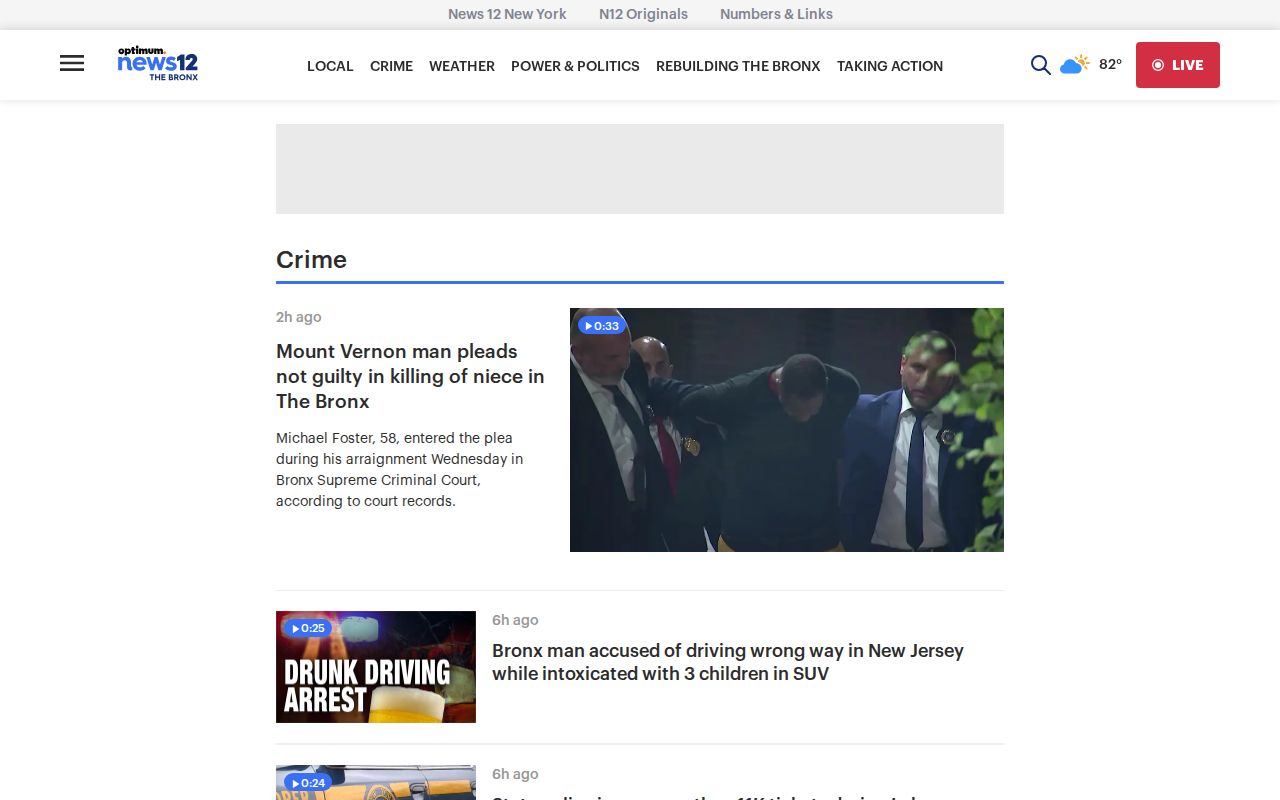
Take the article's date, then check an official source. Keep the outlet's wording. "Charged" is not "convicted." If a story calls someone wanted, confirm through the NYPD wanted channel before calling that person arrested. Article images may be agency-supplied, surveillance, illustrative, or archival, so treat them with care rather than as booking photos.
Older Bronx Arrest Records
An online window, a retention schedule, and public access are three different things. NYC DOC's locator reaches back to September 2005. That boundary does not promise every arrest appears. Nor were older records necessarily destroyed. The State Archives law-enforcement schedule assigns different periods to arrest logs, investigations, and identification files. Other schedules cover booking video and incarceration materials. For retention and historical-access context, see the State Archives access guidance.
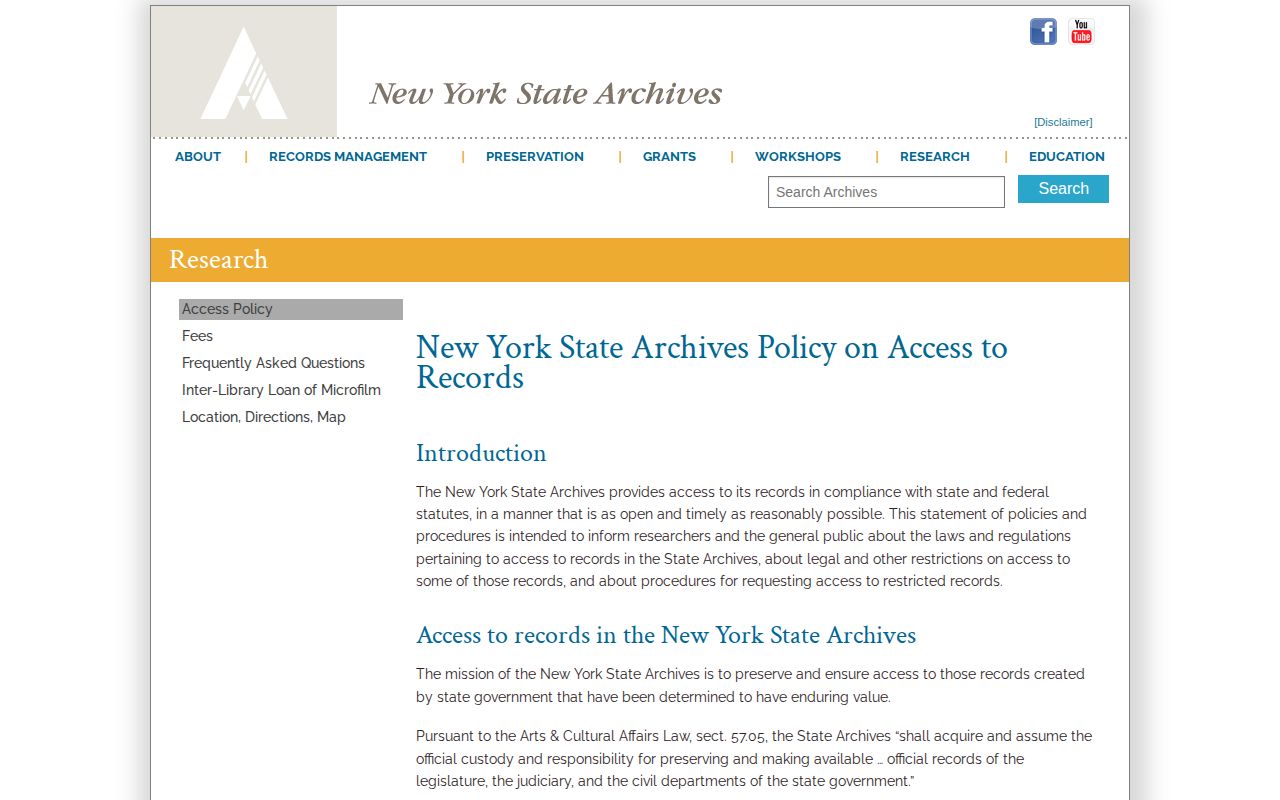
The archive route suits old research, not live blotters. For current records, start with the holder. That means NYPD for police material, DOC for city-jail records, the Bronx DA for its files, or the court for case papers. Keep the request narrow. Give the known date range, precinct, record type, and lawful identifiers. FOIL exemptions, sealing, privacy, and law-enforcement limits may still force redaction or withholding.
Verify Bronx Arrest Outcomes
How did that Bronx arrest end? The answer often shifts once the case reaches court. The Bronx DA points out that arraignment charges can differ from the arrest description, and matters can be dismissed, sealed, acquitted, or resolved on a different charge. Common names and news shorthand add identity risk too. For the final word, request the certificate of disposition. That court-certified document states the charge, conviction if any, date, and sentence. A press release, weekly count, dashboard cell, or local story can't stand in for it.